
-
Ready-to-Use AI Security Evaluation Checklist Template
Read more: Ready-to-Use AI Security Evaluation Checklist TemplateLast month, we shared our blog post, Evaluating AI Tools: A Security Checklist Before You Implement, where we discussed the key security and governance considerations organizations should review before adopting a new AI solution. As AI continues to become a standard part of business operations, many organizations are finding themselves evaluating multiple tools at once.…
-

Evaluating AI Tools: A Security Checklist Before You Implement
Read more: Evaluating AI Tools: A Security Checklist Before You ImplementYou can’t get through a day, maybe even an hour, without hearing about artificial intelligence (AI). From built-in features in SaaS applications you already use, to entirely new platforms promising increased efficiency and productivity. AI is quickly becoming a standard part of the business technology landscape. While AI can help automate tasks and accelerate certain…
-

You Can’t Protect What You Can’t See: 5 Questions to Understand Your Organization’s True Perimeter
Read more: You Can’t Protect What You Can’t See: 5 Questions to Understand Your Organization’s True PerimeterDefining your organization’s perimeter is more challenging than ever. Today’s technical environments extend far beyond the traditional corporate network to include cloud platforms such as AWS, Azure, and Google Cloud; SaaS applications; home offices; satellite locations; wireless networks; third-party vendors; and managed service providers (MSPs). In most organizations, the network is no longer “contained” in…
-
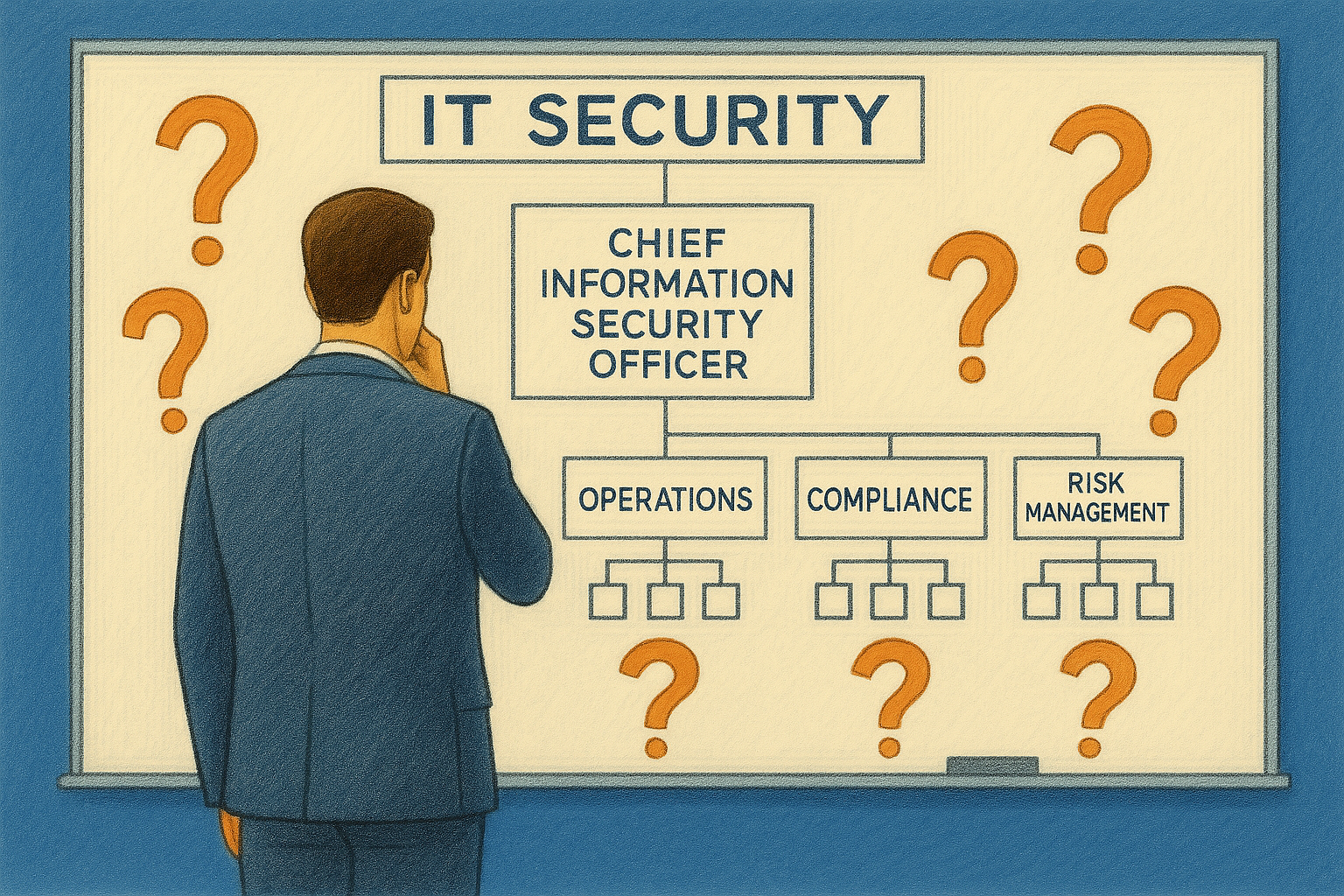
Assigning Accountability in Cybersecurity: Questions Every CISO Should Ask
Read more: Assigning Accountability in Cybersecurity: Questions Every CISO Should AskIn today’s threat landscape, having a cybersecurity strategy isn’t enough. It must be clearly owned, consistently executed, and continuously improved. That starts with accountability. Too often, security responsibilities are vague, undocumented, or overlooked, leading to gaps, overlaps, and increased risk. The real challenge for CISOs isn’t just building controls, it’s ensuring the right people are…
-

Your Strongest Cyber Defense Isn’t Technology, It’s Your People
Read more: Your Strongest Cyber Defense Isn’t Technology, It’s Your PeopleThe start of summer is the perfect time to refocus on one of the most critical, and often overlooked, components of any organization’s defense strategy: its people. While technology plays a vital role, your users are truly the first (and sometimes last) line of defense. With the right education and training, users can actively identify…
-
Smarter Security: From Asset Discovery to Proactive Defense
Read more: Smarter Security: From Asset Discovery to Proactive DefenseStaying ahead in security starts with a clear understanding of your external footprint, combined with the effective use of both simple and advanced tools. By leveraging digital certificate data to uncover exposed assets and using trusted tools like Nikto and Burp Suite for vulnerability discovery, security professionals can balance efficiency with depth. When paired with…
-

Managing Security Risk: Balancing Threats, Business, and Reality
Read more: Managing Security Risk: Balancing Threats, Business, and RealitySecurity is a constant balancing act. As security professionals, we understand a fundamental truth: not every risk will, or even can, be remediated. Some risks are constrained by technical limitations, others by business priorities, and some simply aren’t worth addressing given their real-world impact. What is essential, however, is understanding the risks that exist in…
-

Kickstart Your Cybersecurity Plan: 3 Key Insights
Read more: Kickstart Your Cybersecurity Plan: 3 Key InsightsCyber threats are evolving fast – and organizations must stay ahead. Whether it’s managing vendor relationships or preparing for regulatory audits, the pressure to demonstrate strong security practices is mounting. No business is exempt, and having a plan is no longer optional. Still, many companies lack a formal, documented Information Security Plan (ISP). Without one,…
-

Fitness and Security: No Shortcuts to Real Results
Read more: Fitness and Security: No Shortcuts to Real ResultsGetting fit requires three things: a goal, a plan, and action. When you put in the work, you get results. There are no shortcuts. If a new solution promises big results with little effort, it’s likely too good to be true. These shortcuts often come with hidden costs. People who achieve lasting results understand this—and they…
-
Securing the Small Business: Recovery First
Read more: Securing the Small Business: Recovery FirstCybersecurity is often a challenge for small businesses. Limited resources, minimal regulatory pressure, and a lack of awareness or technical expertise can leave them vulnerable to threats. This blog aims to be a practical starting point for small businesses looking to protect their assets and build resilience against today’s evolving cyber risks. Why Start with…
-

Cyber Security Trends in AI (as told by AI)
Read more: Cyber Security Trends in AI (as told by AI)From executive decisions to the code behind everyday apps, AI is rapidly transforming how we work, think, and defend against cyber threats. At the forefront of this evolution, CTInfoSec partners with clients to identify emerging AI-driven risks and build resilient, future-ready security strategies (see some of our thoughts on AI here: AI Under Scrutiny: Evaluating…
-

The Role of Automation in Modern Penetration Testing
Read more: The Role of Automation in Modern Penetration TestingAs we discussed earlier this year (Streamlining Cybersecurity Operations: The Power of Automation), automation is a key driver of efficient security programs. By simplifying repetitive tasks, it allows teams to do more with fewer resources, making it a strategic focus for organizations looking to scale their cybersecurity efforts. The Evolution of Automated Penetration Testing Tools…
